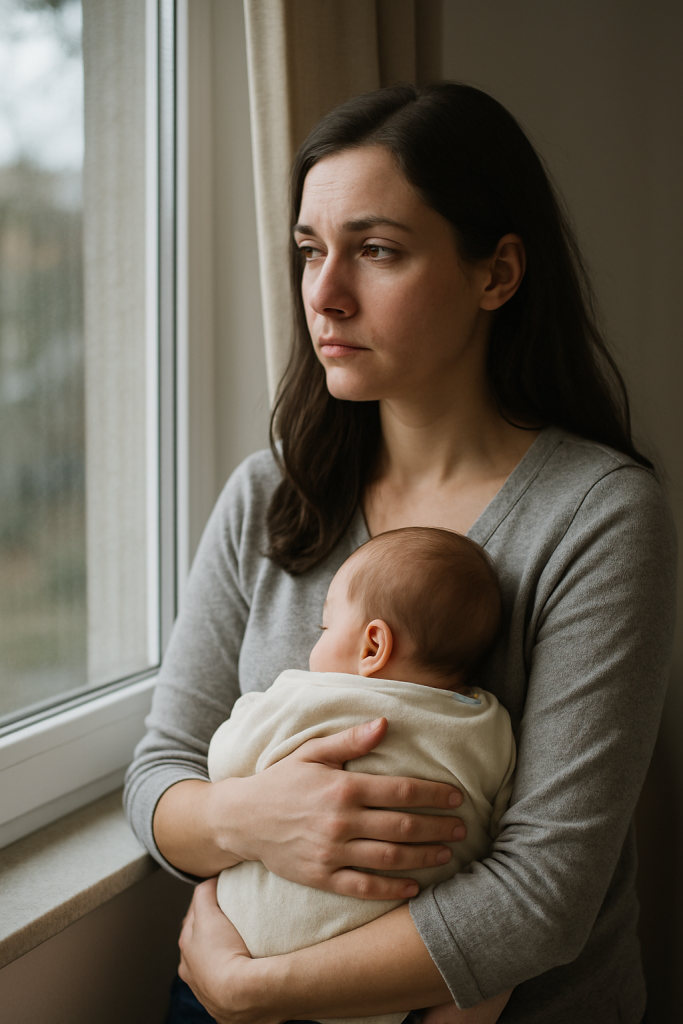
Read some important information about postpartum psychology before the main part.
- Postpartum psychology is strongly influenced by hormonal, physical, and emotional changes.
- The first few days may include baby blues, but if they persist, they may indicate postpartum depression.
- Support, self-care, and psychotherapy can make a difference in this transition.
- Make an appointment with a specialist if you feel that you are “not yourself” or are experiencing intense sadness or isolation.
- At healthcure.eu you will find professional guidance and human support.
Postpartum psychology – What to expect and how to manage it
The reality after childbirth
Postpartum psychology is one of the most misunderstood aspects of motherhood. Everyone talks about the baby—but few talk about how you feel. And yet, this period is not always filled with rose-colored clouds. On the contrary, it can bring mood swings, insecurity, exhaustion, and even sadness. And you know what? That’s okay. You’re not alone.
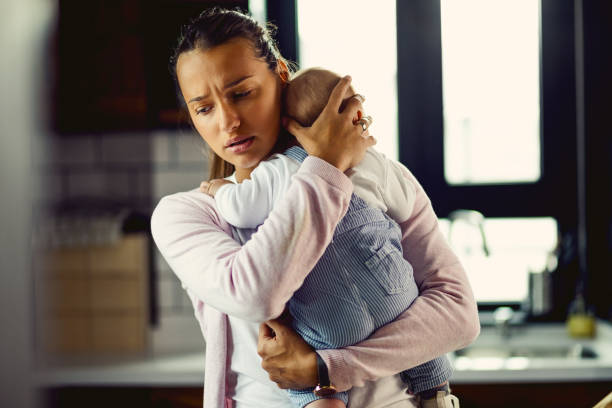
Why does your mindset change after giving birth?
Hormonal changes and the brain
After giving birth, your hormones go wild. The sharp drop in estrogen and progesterone affects your nervous system and your mood. At the same time, hormones such as prolactin and oxytocin, which are related to lactation and bonding with your baby, increase. This cocktail can make you feel tired, anxious, or emotional for no reason.
Physical exhaustion plays a role
Childbirth is certainly an intense experience for the body: in a normal birth without any intervention, you definitely have the least strain after giving birth, as there is only the secretion of lochia, while any intervention (e.g., episiotomy) or even a C-section exhausts the body much more. However, in all cases there are certainly some common characteristics, such as minimal sleep and constant (24/7) care of the newborn, which can be physically and mentally exhausting. This exhaustion intensifies sensitivity and emotional reactions.
What is normal and what is not?
Baby blues
Approximately 7 out of 10 women experience baby blues in the first 3–10 days after giving birth. You feel more emotional, cry easily, have insomnia, difficulty concentrating, and are overexcited. However, if these symptoms pass within a few days, you are within the normal range.
When do we talk about postpartum depression?
If the symptoms do not subside or worsen, then it may be postpartum depression. You feel alienated from your baby, you have feelings of guilt, negative thoughts, constant anxiety, or despair. You may be afraid that you “won’t be able to do it” or not even want to take care of the child. This does not mean that you are a bad mother. It is a sign that you need help—and help is available.
The most common thoughts that bother you
- “I don’t feel the way I expected to.”
- “I’m not a good enough mother.”
- “Do I love my baby enough?”
- “I miss my old life.”
- “I’m afraid I’m making a mistake.”
If you recognize these thoughts, you are not alone. Many women feel this way but don’t talk about it. However, silence only intensifies the burden. Talk to a specialist.

What can you do to feel better?
Take care of yourself as much as you take care of your baby
- Sleep whenever you can, even if it’s only for a few minutes.
- Ask for help – there’s no shame in it.
- Eat well and drink water.
- Go for a walk. Sunlight helps produce serotonin.
- Say “yes” to support, not to the guilt
Talk – don’t keep everything inside
Share your thoughts with someone you trust. Whether it’s your partner, a friend, or a psychologist. Your voice has power—and it heals.
Consider psychotherapy
The therapeutic process can help you process your emotions, understand what is happening to you, and regain your balance. At healthcure.eu, you can book your first appointment with a specialist who understands you.
How bonding with your child is affected?
Postpartum psychology directly affects your relationship with your child and the bond that develops between you. If you feel tired, sad, or distant, you may find it difficult to connect. This is normal, and not permanent. The more you take care of yourself, the easier it will be to strengthen your relationship with your baby.
What do the experts say?
Contemporary approaches to the psychology of motherhood view mothers as individuals with needs, not just as caregivers. Hormonal, biological, and social pressures are real and should not be underestimated. Postpartum psychotherapy is not a luxury, it is a necessity for many women.
Answers to users’ questions
How long do baby blues last?
Usually 3–10 days after giving birth. If they last longer than 2 weeks, it may be postpartum depression.
How do I know if I have postpartum depression?
If you feel sad, hopeless, withdrawn, lack energy, and find no pleasure in anything for more than 2 weeks, talk to a specialist immediately.
Is it normal not to feel attached to my baby?
Yes. Sometimes it takes time to form a bond. It does not mean that you are a less capable or good mother.
Should I see a psychologist after giving birth?
If you feel overwhelmed by everyday life, that you don’t recognize yourself, or that you simply need support, the answer is yes. Psychotherapy is a safe and accepting space.
Where can I go?
At healthcure.eu, you can find mental health specialists with experience in postpartum psychology and book a session immediately online or in person.
You are not alone
Postpartum psychology is not easy. It is full of challenges, but also opportunities for growth. The important thing is not to ignore the signs. Talk, take care of yourself, seek help. You have the strength—and you don’t have to find it on your own.