
Psychology after pregnancy: Could you be suffering from postpartum depression?
What is postpartum depression and why does it concern you?
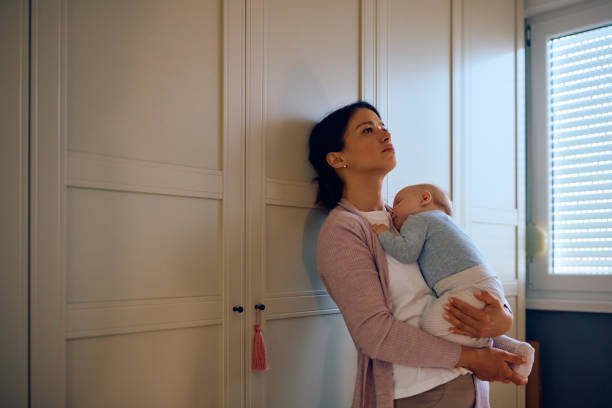
Postpartum depression is a common but misunderstood mental health condition that can occur in the first weeks or months after giving birth. If you have given birth to your child and feel more sadness than joy, if you have constant mood swings, irritability, cry for no reason, feel guilty, anxious, or even reject your baby, then you may be experiencing postpartum depression.
And no, it doesn’t mean you’re an “ungrateful” or “unfit” mother. It means you’re going through a very real, biological, and psychological challenge that affects thousands of women. The important thing is to recognize it and ask for support.
What are the symptoms of postpartum depression?
The most common signs include:
- Constant or unexplained sadness
- Loss of interest in things you used to enjoy
- Loss of appetite or overeating
- Insomnia or excessive sleeping
- Guilt, feeling inadequate as a mother
- Intense anxiety, irritability, or panic attacks
- Withdrawal from your environment or your child
- Thoughts of self-harm or harm to your baby (in severe cases)
If any of the above sound familiar, stop thinking that “it’s just a phase and it will pass.” It’s not just baby blues (which last a few days). It’s something more, and it needs attention.
How long does postpartum depression last?
The duration varies. In some women, it subsides within 4–6 weeks. In others, it can last for months or even over a year if left untreated. The key is to recognize the symptoms early and seek professional help.
Prompt intervention reduces the duration and intensity of symptoms and protects both you and your relationship with your child.
Postpartum depression and breastfeeding: What you need to know
Breastfeeding can be both a source of bonding and a challenge. If you feel pressure or pain, if your body is not “obeying” you, or if you feel guilty that you are not succeeding, remember one simple thing: it is not your fault. Depression affects your energy levels, patience, and even your willingness to engage in this demanding process.
There are safe treatment options (even medication) that are compatible with breastfeeding. A psychologist or psychiatrist can guide you based on your individual case. If you are experiencing a medical problem, you should obviously consult a doctor. Do not stop breastfeeding or seeking help because you fear stigma or judgment from others.
Postpartum depression and relationships – couples put to the test
Many couples experience a crisis after the arrival of a child. If you add postpartum depression to this, the distance grows. You may feel that your partner “doesn’t understand” or is pressuring you to go back to the way things were before. Communication becomes unclear and emotions mixed.
The solution is open discussion. Share how you feel. Inform them about what postpartum depression is. Suggest parent counseling or couples therapy sessions together. The point is not to blame each other, but to join forces. If necessary, seek support on your own to start with.
Postpartum depression during pregnancy – Yes, it happens
It may sound paradoxical, but many women experience depressive symptoms during pregnancy. This condition is known as “prenatal depression.” It is just as serious and can extend into the postpartum period if left untreated.
If you are pregnant and feel inexplicable sadness, lethargy, intense stress, or fear of motherhood, do not ignore it. Prenatal psychological screening and psychoeducation can drastically reduce the likelihood of postpartum depression after childbirth.

What can you do – step by step
- Recognize that something is wrong: Stop attributing everything to fatigue or hormones.
- Talk to someone close to you: Sharing how you feel can help alleviate feelings of shame.
- Contact a mental health professional: a psychologist, psychiatrist, or midwife trained in maternal mental health.
- Don’t feel guilty if you need medication: it is often a lifesaving step.
- Give yourself time: Recovery does not have a timetable.
When to seek immediate help
- If you feel that you cannot care for your baby.
- If you have thoughts of suicide or harming your child.
- If you feel stuck, without any hope.
- If your sadness lasts for more than two weeks and gets worse.
It’s not a weakness. It’s a necessity. And it’s perfectly respectable to ask for help.
Any questions you have, I will answer them here.
How long does postpartum depression last?
It can last from a few weeks to a year. The sooner you seek help, the shorter and easier the process will be.
Can I breastfeed while receiving treatment for postpartum depression?
Yes, there are compatible medications, and psychotherapy does not affect breastfeeding at all.
How do I know it’s not just baby blues (intense emotional distress after childbirth)?
If the symptoms last more than two weeks or affect your daily life, it’s not just baby blues.
Does postpartum depression also affect my relationship with my partner?
Yes, it can create tension, distance, and mutual misunderstanding, but timely support can help both of you.
Can it return in a subsequent pregnancy?
There is an increased likelihood of recurrence, so prevention and psychological preparation are very important.
Schedule your first appointment today
If any of this resonates with you, don’t put it off any longer. We can help you in a safe, trustworthy, and warm way. Make an appointment today with one of our specialists. Because you are not alone. And you don’t have to go through this alone.