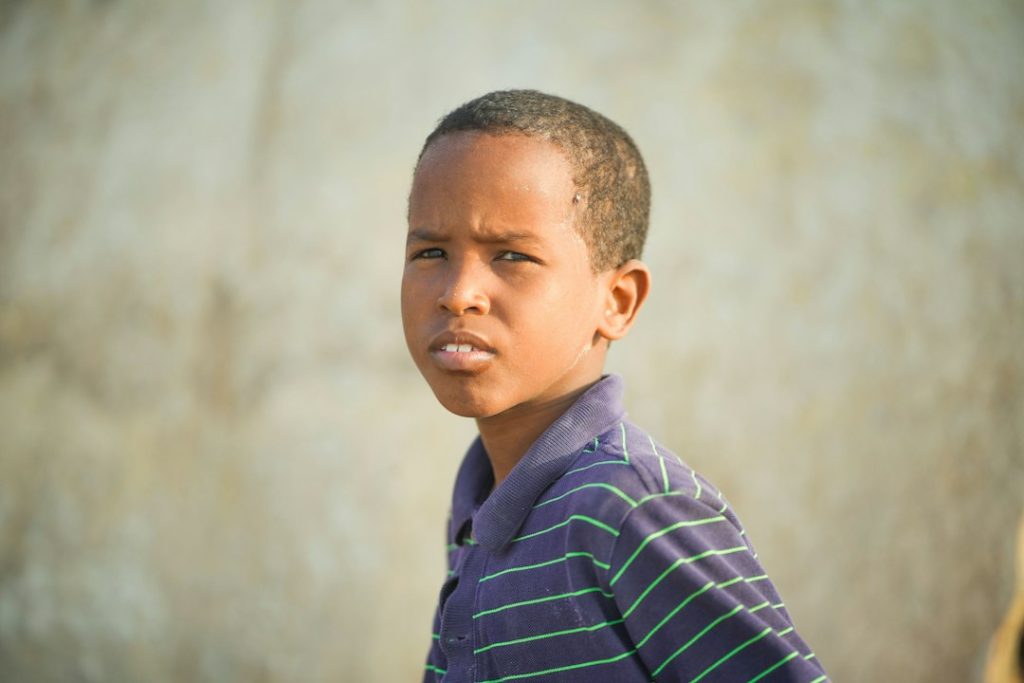
My child hits other kids: When the phone rings from school
“Can we talk for a moment about George?”
The teacher’s voice is polite. But you already know. Again.
He shoved a kid in line. He pulled someone’s hair. He threw a punch because they took his ball. And now you’re standing at your desk or in the kitchen, with your cell phone to your ear, feeling shame, anger, and fear all at once. Shame about what the other parents will say. Anger at your child. Fear of where all this is headed.
That night, you punish them. You take away their tablet. You explain that we don’t hit. And two days later, the phone rings again.
If this sounds familiar, this article is for you. You’ll learn why a child hits, why punishment alone rarely stops it, what to do in the moment it happens, and what really makes a difference over time.
The short answer: A child hits other children usually because they’re feeling something more intense than they can handle and haven’t yet found another way to express it. Punishment stops the behavior for a while, but it doesn’t teach them what to do instead. What helps are consistent boundaries without yelling, help in understanding what they’re feeling, and practice with other ways to respond.
First, something you need to hear: they’re not a “bad kid”
A child who hits isn’t bad. Nor are you a bad parent.
Aggression is a natural reaction. We’re all born with it. What we learn as we grow up, little by little, is to turn it into words. To say “I’m angry” instead of shoving. To ask for the ball instead of snatching it.
Some children learn this quickly. Others need more time and more help. Your child probably belongs to the second group. This isn’t a judgment. It’s information about what they need.
Why does my child hit other children? The 6 most common causes
1. They don’t yet have the words to express how they feel
A three- or four-year-old can’t say, “I was disappointed that you didn’t give me the toy.” Their body reacts before their mind can catch up. Even older children, when overwhelmed by an emotion, “forget” the words they know.
2. They’ve seen it happen
Children learn more from what they see than from what they hear. If disagreements at home are resolved with yelling or physical punishment, if they see violence on screens without anyone explaining what they’re seeing, if an older sibling hits them—somewhere along the line, they learn that this is how problems are solved.
3. Something is weighing on them, and they’re not saying anything
A breakup, a new baby, a move, a grandparent who’s fallen ill. When a child carries tension they don’t understand, it comes out somewhere. And often it comes out at school, where they feel they won’t lose your love.
If the aggression started after a breakup, read our article on divorce and children. If it started after a new sibling arrived, take a look at sibling rivalry.
4. Hitting “works”
If every time they hit, they get the toy or all the adults’ attention—even if it’s negative—their brain takes note: this gets results.
5. They feel threatened
Some children hit first to avoid being hit themselves. If your child is being teased or excluded, their aggression may be a form of defense. Look for the signs in our article on what bullying is and what to do when your child isn’t included in the group.
6. They’re tired, hungry, or overwhelmed
It sounds simple, but it matters. Notice when these outbursts happen. If they’re always at the end of the day or before a meal, you already have a clue.
Normal for their age or a sign that something needs attention?
Age makes a big difference. A two-year-old who bites isn’t the same as a ten-year-old who hits classmates.
Age Normal Needs More Attention
2–4 years old Pushing, biting, snatching toys, mainly in moments of frustration Hits multiple times a day, in any setting, and won’t calm down no matter what
5–7 years old Occasional outbursts during arguments over toys or turn-taking; incidents increase rather than decrease, or hits without any apparent cause
8–12 years old Verbal arguments, rare physical altercations Repeated physical violence, targeting specific children, no remorse afterward
This chart does not provide a diagnosis. It gives you a benchmark. If your child falls into the right-hand column, it’s worth talking to a specialist.
Why punishment alone makes a child more aggressive
This is where most parents get stuck. And it’s completely understandable.
Punishment seems logical. They did something wrong; there must be consequences. And indeed, children do need consequences. The problem arises when punishment is the only tool.
Think about it from the child’s perspective. He got angry, hit someone, and now the adults are getting angry at him, yelling at him, and taking things away from him. What did he learn? That when someone does something you don’t like, you get angry and take something away from them. That’s exactly what the child did.
Physical punishment is even more serious. Slapping the child who hit someone sends a mixed message: “We don’t hit,” says the adult, while hitting the child.
There’s something else, too. A child who is deeply ashamed of what they’ve done doesn’t think, “Next time I’ll do it differently.” They think, “I’m bad.” And children who believe they’re bad often act accordingly.
What to Do When the Hitting Happens: 5 Steps
1. Stop the hand, calmly and firmly
Grab their hand or pull it away from the other child. In a firm voice, without yelling: “I won’t let you hit.” The boundary is clear. No lecture is needed.
2. Take care of the child who was hit first
Yes, before your own child. This way, your child learns that hitting doesn’t get your attention. And they see firsthand what they’ve caused.
3. Don’t ask for explanations in the heat of the moment
“Why did you do that?” has no answer at that moment. The child’s brain is on high alert. Wait for them to calm down.
4. Help them calm down
Some children need a hug. Others need a little space, with you nearby. Say something brief: “You’re really angry. I’m here. We’ll wait for this to pass.”
5. Then, talk it out
Once they’ve calmed down, you can figure out together what happened. “You got angry because they took your toy. What else could you have done?” And work together to find a way to “fix” what went wrong: a drawing for the other child, a “sorry” when they mean it, not because they’re forced to.
What do you do next, at home, to bring about real change
- Name their emotions, every day. Not just when they’re angry. “You look disappointed,” “I can see you’re happy.” Children learn words when they hear them all the time.
- Work together to figure out “what I do when I get angry.” Squeeze a pillow, stomp their feet, go find the teacher, say “stop, I don’t like that.” Practice when they’re calm.
- Pay attention when they succeed. “I saw that you got angry with your brother and told him so with words. Good job.” That builds more than ten punishments ever could.
- Look at your own reaction. How do you get angry in front of them? You don’t have to be perfect. You just need to make amends when you lose your temper.
- Work together with the school. Ask the teacher to tell you not only about the incidents but also about the good days. Agree on the same words and the same response, both at home and in the classroom.
For specific phrases you can use during difficult moments, see the 15 examples of setting boundaries for your child without raising your voice.
“My child swears at me and hits me”
When aggression is directed at you, it hurts twice as much. Many parents are too embarrassed to even mention it to friends.
The same steps apply: set a firm boundary, don’t retaliate, and talk it out once they’ve calmed down. But it’s also worth looking at the relationship as a whole, because often a child lashes out more at the parent with whom they feel safest. You’ll find more in our article “My Child Doesn’t Respect Me”.
“I hit my child and regret it”
If you’re reading this article and something tugs at your heart—because you, too, have raised a hand—this section is for you.
The fact that you regret it speaks volumes. It shows that you know you don’t want your child to grow up that way. Most parents who hit their children don’t decide to do it. It “slips out” in a moment when they’re exhausted, stressed, and without support. Often, they were raised that way themselves.
There are two things you can do starting today. First, make amends: when you’ve calmed down, tell your child, “I shouldn’t have hit you; it’s not your fault—it was my mistake.” Second, find a way to step away before you reach your limit. Step out onto the balcony, go to the bathroom for a minute, or say, “I need a little time.”
And if you feel like you can’t handle it on your own, you’re not a failure as a parent. You’re a parent who needs support. That’s why parenting counseling exists.
Want to learn more about psychology as it relates to you? – Follow us here!
When to See a Child Psychologist
Talk to a specialist when:
- The episodes continue for weeks despite your efforts.
- The school has told you they’re considering expulsion or that other parents are complaining.
- Your child hits others for no apparent reason or seems completely unconcerned afterward.
- Your child harms animals or themselves.
- Your home has become a battlefield, and you’re all exhausted.
In child psychology, we work with the child through play, because that’s where they can express what they can’t put into words. At the same time, we work with the parents so that what the child learns in session continues at home.
For children ages 3 to 8, there are also experiential social and emotional skills groups, where children learn to recognize and express their anger through play, together with other children.
Frequently Asked Questions
Is it normal for a 3-year-old to hit?
At this age, it’s common because the child doesn’t yet have the words to express their frustration. That doesn’t mean you should let it slide. It means you should consistently help them find other ways to cope.
Should I make my child say “I’m sorry”?
An apology is meaningful only when the child means it. If you force them, they’ll only learn that a single word gets them out of a tight spot. It’s better to help them understand how the other child felt and work with them to figure out how to “make it right.”
What should I say to the parents of the child who was hit?
Something simple and sincere: “I’m very sorry about what happened. We’re working on it with our child.” You don’t need to make excuses or blame your child in front of them.
Are video games to blame?
They’re rarely the only cause. But it’s worth knowing what your child is watching and playing, setting time limits, and talking about what they’re exposed to.
How soon will I see a change?
It depends on the child’s age, the cause, and the consistency of the adults’ approach.
Often, parents first notice that the outbursts become less intense or shorter in duration before they stop altogether.
And one last thing
A child who hits doesn’t want to be “the child who hits.” They want someone to help them become something else.
Schedule a free 15-minute introductory session with the Healthcure Psychotherapy Center. Tell us what’s going on, and together we’ll determine whether your child needs individual therapy, group therapy, or if it’s enough to work with you alone. You can find us at 10 Panagouli Street, in the center of Larissa, and online. Contact us here.
You’ll find more articles for parents on our blog.